
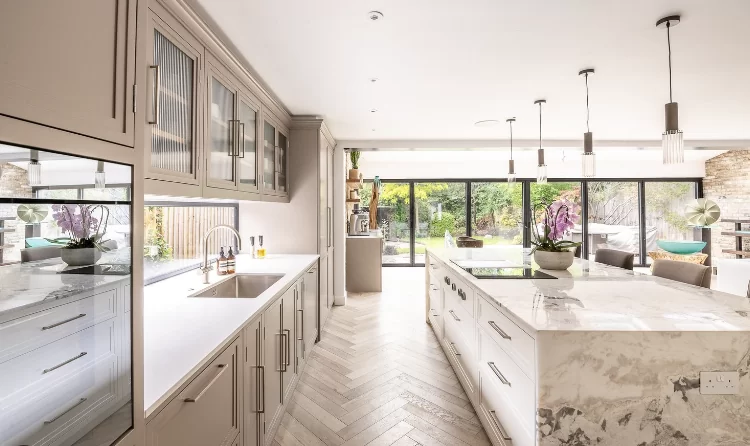
Luxury Kitchen Renovation: What to Expect When Investing in a High-End Culinary Haven
For the discerning homeowner, a kitchen is far more than a utilitarian space for meal preparation. It is the pulsating heart of the home—a stage for culinary artistry, a hub for sophisticated entertaining, and a profound statement of personal style and achievement. A luxury kitchen renovation transcends mere updates; it is a significant investment in craftsmanship, technology, and lifestyle enhancement. Unlike standard remodels, a high-end kitchen project is a bespoke journey, meticulously planned and executed to create a space that is both breathtakingly beautiful and exceptionally functional. This comprehensive guide will walk you through what to expect when investing in a high-end kitchen, from initial conception to the final, stunning reveal, including the tangible impact on your home’s value in premium locales.
The Hallmarks of a True Luxury Kitchen
Distinguishing a luxury kitchen from a standard remodel involves a confluence of factors. It’s not merely about expensive items, but about the seamless integration of superior quality, innovative design, and personalized detail.
1. Bespoke Design and Architectural Integrity
Off-the-shelf solutions have no place in a luxury kitchen. Expect a completely custom design tailored to your home’s architecture and your personal rhythm of life. This involves collaborating with a seasoned kitchen designer or architect who will consider sightlines, flow, and how the space interacts with adjacent rooms. Elements like coffered ceilings, structural arches, or strategically placed windows to capture natural light are integral, ensuring the kitchen feels like a native, elevated extension of your home.
2. Exceptional, Material-Driven Craftsmanship
Materials are the soul of a luxury kitchen. Surfaces are not just selected for looks but for their provenance, durability, and tactile quality.
- Countertops: Think beyond granite. Engineered quartz from brands like Caesarstone or Silestone offers resilience and consistency, while natural stones like exotic marbles (Calacatta Gold, Statuario), soapstone, or semi-precious materials make a unique statement. Butcher block islands or integrated leather-finished stone add warmth and texture.
- Cabinetry: Custom-built cabinetry is non-negotiable. Expect hand-finished hardwoods (walnut, cherry, oak), dovetail joinery, soft-close mechanisms on full-extension drawers, and meticulously applied finishes. Inset cabinetry, where the door sits flush within the frame, is a hallmark of fine craftsmanship.
- Backsplashes & Flooring: This is where artistry shines. Handmade zellige tiles, large-format porcelain slabs, or intricate mosaic patterns create focal points. Flooring may involve wide-plank hardwood, heated natural stone, or designer concrete.
3. Professional-Grade Appliances and Smart Integration
The engine of a luxury kitchen is its appliances. A high-end kitchen investment typically includes a suite of integrated or statement professional-grade appliances from brands like Sub-Zero, Wolf, Miele, or Gaggenau. Beyond brute power, the focus is on precision, quiet operation, and seamless aesthetics (think panel-ready refrigeration that disappears into cabinetry). Furthermore, true luxury now incorporates invisible technology: smart faucets with touchless operation, under-cabinet LED lighting with circadian rhythm settings, and fully integrated sound systems.
4. The Elevated Kitchen Island and Specialized Zones
The island evolves into a multifunctional command center. In luxury designs, it may feature a dedicated prep sink with a filtered boiling-water tap, a second dishwasher drawer, or a lowered section for baking. The concept of “zoning” is critical: distinct, well-equipped areas for coffee/bar stations, pastry making (with marble cooling slabs), and dedicated pantry rooms with custom millwork for small appliances and dry goods.
The Investment: Understanding Costs and Timeline
A luxury kitchen renovation is a substantial financial undertaking. While costs vary dramatically based on scope, location, and material choices, a full high-end renovation in a major metropolitan area often starts in the $150,000 to $200,000 range and can easily exceed $500,000.
Budget Allocation (Approximate):
- Cabinetry & Millwork: 30-35%
- Appliances & Ventilation: 20-25%
- Countertops & Surfacing: 15-20%
- Professional Fees & Installation: 15-20%
- Lighting, Fixtures, Finishing: 10-15%
Timeline: Patience is a virtue. From initial design consultations through construction, expect a timeline of 6 to 12 months, or longer for highly complex projects. This accounts for the design phase, material sourcing (some stones or custom hardware may have long lead times), meticulous installation, and final commissioning of systems.
The Renovation Process: A Collaborative Journey
Embarking on this journey requires a trusted team. The process typically follows these stages:
- Vision & Team Assembly: Define your needs and aesthetic. Hire an experienced interior designer or kitchen specialist and a reputable general contractor known for high-end work.
- Design & Engineering: This phase includes detailed floor plans, 3D renderings, electrical and plumbing schematics, and comprehensive material selection.
- Procurement & Demolition: Once designs are finalized, materials and appliances are ordered. Then, the existing space is carefully demolished, with attention to preserving surrounding areas.
- Construction & Installation: Rough-in work (electrical, plumbing, HVAC) is followed by the “dry-in” (drywall, painting), and finally, the meticulous installation of cabinetry, countertops, tile, and fixtures.
- Finishing & Reveal: The final layer includes hardware installation, appliance hookups, lighting calibration, and a thorough professional cleaning before the grand reveal.
ROI and Suburban Prestige: The Value Proposition
While a primary driver is personal enjoyment, a luxury kitchen renovation is also a strategic investment. In premium suburbs, it is often the single most important factor in a home’s marketability and value.
Consider the impact in sought-after areas. In suburbs like Palo Alto, CA, or Greenwich, CT, a top-tier kitchen can be a prerequisite for homes in the upper price brackets, directly influencing sale speed and final price. For instance, in premium Sydney suburbs like Mosman or Vaucluse, real estate analyses consistently show that a beautifully executed, high-end kitchen can contribute 10-15% or more to a property’s overall value, often translating to hundreds of thousands of dollars. Similarly, in London’s Chelsea or Hampstead, the kitchen’s quality is a non-negotiable for buyers, with investments in brands like Bulthaup or SieMatic yielding strong returns.
In these markets, it’s not just about square footage; it’s about the quality of life and statement the home makes. A renovated luxury kitchen signals that the entire property has been maintained and updated to the highest standards, justifying premium pricing and attracting serious, qualified buyers.
Conclusion: Crafting Your Legacy Kitchen
Investing in a luxury kitchen renovation is an immersive journey into the art of the possible for your home. It demands significant resources, time, and collaboration but yields an unparalleled reward: a deeply personal, highly functional, and exquisitely crafted space that elevates daily living and becomes the undeniable soul of your home. It is where family memories are forged, hospitality is extended, and personal style is expressed in its most tangible form. By understanding the commitment to bespoke design, superior materials, professional-grade functionality, and the nuanced value it brings—especially in high-property-value suburbs—you can embark on this transformative project with clarity and confidence, ultimately creating a kitchen that is not just a room, but a legacy.